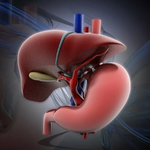
Gut health is an important part of overall health because the digestive system helps your body break down food, absorb nutrients, and eliminate waste. Your gut also contains trillions of microorganisms that interact with your body and play a role in digestion and other normal bodily functions. Maintaining a healthy digestive system can help you feel more comfortable and support your overall well-being.
Many people experience digestive problems such as bloating, gas, constipation, or irregular bowel movements. These symptoms can sometimes be related to eating habits, low fiber intake, dehydration, stress, or changes in routine. However, persistent digestive symptoms can also have medical causes that require professional attention.
The good news is that simple lifestyle changes can help support digestive health. Eating a variety of nutritious foods, drinking enough water, exercising regularly, and maintaining a consistent routine are useful places to start. In this article, we will explore four practical ways to improve gut health naturally.
1. Eat More Fiber-Rich Foods
Dietary fiber is essential for healthy digestion. It helps support regular bowel movements, and certain types of fiber provide nourishment for beneficial gut microorganisms.
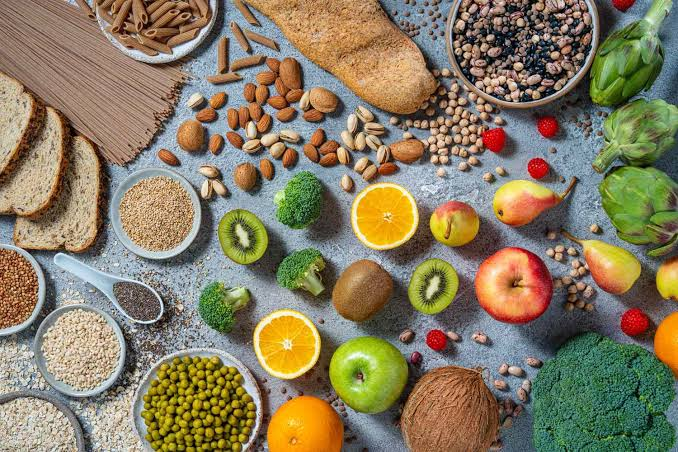
Fruits, vegetables, whole grains, beans, lentils, peas, nuts, and seeds are excellent sources of dietary fiber. Foods such as oats, apples, bananas, carrots, and whole-wheat bread can be easy additions to everyday meals.
Try including vegetables with lunch and dinner, choosing whole grains more often, and eating fruit as a snack. Lentils and beans can also provide both fiber and protein.
If your current diet contains very little fiber, increase your intake gradually. Adding too much fiber too quickly may cause gas or bloating, especially if your digestive system is not accustomed to it.
Drinking sufficient water is also important when increasing fiber intake because fluids help fiber move through the digestive system.
Remember that everyone has different digestive needs. If certain high-fiber foods regularly cause discomfort, adjust your choices and speak with a healthcare professional if symptoms continue.
2. Include Probiotic and Prebiotic Foods
Your gut contains a community of microorganisms that contribute to digestive health. Some foods contain live microorganisms, while others provide nutrients that certain gut microbes can use.
Probiotic foods include yogurt with live cultures and some fermented foods. Depending on your diet and preferences, you may also consider other traditionally fermented foods that are prepared and stored safely.
Prebiotic fibers occur naturally in foods such as onions, garlic, oats, beans, and some fruits and vegetables. These fibers can support the growth or activity of particular beneficial gut microorganisms.
You do not need to purchase expensive probiotic supplements to support gut health. A varied diet containing vegetables, fruits, whole grains, legumes, and suitable fermented foods is a practical starting point.
Keep in mind that not every probiotic product has the same effects. Benefits can depend on the specific microorganism, product, and health concern being addressed. Fermented foods are not a guaranteed treatment for digestive disorders.
If you have a weakened immune system or a significant medical condition, consult your healthcare professional before using probiotic supplements.
3. Drink Enough Water and Stay Physically Active
Water plays an important role in digestion and helps the body maintain normal functions. Adequate fluid intake can also help soften stools, particularly when combined with sufficient dietary fiber.
Drink water regularly throughout the day and pay attention to your needs during hot weather or physical activity. Your ideal fluid intake depends on factors such as climate, activity level, and health.
Physical activity is another useful habit for digestive health. Walking, cycling, swimming, and other forms of movement support general health and may help some people maintain regular bowel movements.
If you spend long hours sitting at work or while studying, take short walking breaks when possible. A gentle walk after a meal may also be a comfortable way to include movement in your routine.
You do not need to start with intense exercise. Beginners can try walking for 15 to 20 minutes and gradually increase the duration as their fitness improves.
Try to maintain a regular daily schedule for meals, movement, and bathroom visits. Avoid ignoring the urge to have a bowel movement, as repeatedly delaying it may contribute to constipation.
These habits can support digestive function, although they may not resolve symptoms caused by an underlying medical condition.
4. Manage Stress and Maintain Healthy Eating Habits
The brain and digestive system communicate through a complex network often called the gut-brain connection. Stress and emotional strain can influence digestive symptoms in some people, including discomfort, changes in bowel habits, and bloating.
Developing healthy stress-management habits may help support overall well-being. Consider practicing gentle breathing, taking a walk outdoors, reading, or spending time with friends and family.
Eating habits also matter. Try to eat meals at a comfortable pace, chew food thoroughly, and avoid rushing through meals whenever possible. Eating very quickly may contribute to swallowing more air, which can worsen gas or bloating in some people.
Pay attention to how different foods affect your body. Keeping a simple food and symptom diary may help you identify patterns, especially if certain meals seem to trigger discomfort.
Avoid eliminating entire food groups without a clear reason or professional guidance. Restrictive diets can make it harder to obtain adequate nutrients and may not address the actual cause of symptoms.
If you experience persistent abdominal pain, ongoing diarrhea or constipation, blood in your stool, unexplained weight loss, or other concerning symptoms, seek medical advice. Severe abdominal pain or significant bleeding requires urgent medical attention.
Conclusion
Improving gut health naturally begins with simple, consistent habits. Eating fiber-rich foods, including suitable probiotic and prebiotic foods, drinking enough water, exercising regularly, and managing stress can all contribute to digestive well-being.