Fitness is an important part of living a healthy and active life. In today’s busy world, many people spend hours sitting at a desk, using mobile phones, or working on computers. These habits can reduce physical activity and may contribute to weight gain, low energy, and poor sleep. Maintaining good fitness does not require an expensive gym membership or complicated workout equipment. With regular exercise, a balanced diet, and healthy daily habits, anyone can work toward a stronger and healthier body.
Whether you are a beginner or someone returning to exercise after a long break, starting with small steps can make a big difference. The key is to choose activities you enjoy and follow a routine that fits your lifestyle. In this article, we will explore four important areas of fitness, including exercise, nutrition, recovery, and daily habits, to help you improve your overall health.
1. Start with Regular Exercise
Regular exercise is one of the most effective ways to improve physical fitness. It helps strengthen muscles, supports heart health, improves endurance, and makes everyday activities easier. Beginners do not need to start with intense workouts. Walking, cycling, swimming, and simple bodyweight exercises are excellent options.
Try to begin with 15 to 20 minutes of physical activity each day and gradually increase your workout time as your fitness improves. Adults should generally aim for at least 150 minutes of moderate-intensity aerobic activity per week, along with muscle-strengthening activities on two or more days.

You can also include exercises such as squats, push-ups, lunges, and planks in your routine. Start with a comfortable number of repetitions and focus on correct technique rather than speed. Always warm up before exercising and cool down afterward.
Consistency is more important than intensity when you are starting your fitness journey. A manageable workout routine that you follow regularly is more beneficial than an exhausting workout that you cannot maintain.
2. Follow a Balanced and Nutritious Diet
Exercise alone is not enough to achieve your fitness goals. Your body needs the right nutrients to produce energy, build and repair muscles, and maintain normal bodily functions. A balanced diet should include protein, carbohydrates, healthy fats, vitamins, minerals, and sufficient water.
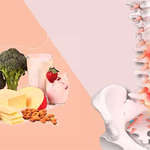
Protein-rich foods such as eggs, milk, yogurt, beans, lentils, paneer, fish, and lean meat can support muscle repair and growth. Whole grains, oats, rice, potatoes, fruits, and vegetables provide energy and essential nutrients. Nuts, seeds, and healthy oils can provide beneficial fats when consumed in appropriate amounts.
Try to include a variety of foods in your daily meals instead of depending on highly processed snacks, sugary drinks, or fast food. You do not need to completely eliminate your favorite foods, but maintaining balanced portions can help you develop healthier eating habits.
Hydration is equally important, especially during exercise and hot weather. Drink water regularly throughout the day and replace fluids lost through sweating. Your individual needs may vary depending on your activity level, climate, and health.
Remember that fitness nutrition is not about starving yourself or following extreme diets. It is about giving your body the nourishment it needs to stay active and healthy.
3. Get Enough Sleep and Allow Your Body to Recover
Sleep and recovery are essential parts of any successful fitness plan. During rest, your body repairs tissues, supports muscle recovery, and restores energy for the next day. Without adequate sleep, workouts may feel more difficult, concentration can suffer, and motivation may decrease.
Most adults need around seven to nine hours of sleep each night. Try to maintain a consistent bedtime and wake-up time, even on weekends. Avoid excessive caffeine late in the day, reduce screen use before bedtime, and create a comfortable sleeping environment.
Rest days are also important. Exercising intensely every day without allowing your body to recover may increase fatigue and the risk of injury. Alternate demanding workouts with lighter activities, such as walking or gentle stretching.
Pay attention to warning signs such as persistent muscle pain, unusual exhaustion, or declining workout performance. These may indicate that you need more recovery time or a less demanding routine.
Good fitness is not simply about how hard you train. It is also about how well you recover between workouts.
4. Build Healthy Daily Habits and Stay Consistent
Long-term fitness depends on the habits you follow every day. Even small changes can gradually improve your activity level and overall well-being. For example, take short walking breaks during long periods of sitting, use stairs when practical, stretch after waking up, and spend more time doing activities that keep you moving.
Setting realistic goals can help you stay motivated. Instead of expecting dramatic changes in one week, focus on achievable targets such as walking for 20 minutes daily, exercising three times a week, or preparing healthier meals at home.
Tracking your progress can also be useful. You can record your workout sessions, walking time, sleep schedule, or improvements in strength. However, avoid comparing your progress with other people because everyone has different needs, abilities, and starting points.
If you miss a workout or eat an unhealthy meal, do not consider your entire fitness plan a failure. Simply return to your normal routine the next day. Sustainable progress comes from repeated healthy choices rather than perfection.
If you have a chronic health condition, an injury, or have been inactive for a long time, consider speaking with a healthcare professional before starting vigorous exercise.
Conclusion
Improving your fitness does not require complicated routines or expensive equipment. Regular exercise, balanced nutrition, sufficient sleep, and consistent daily habits can help you build a stronger and healthier body over time. Start with manageable goals, listen to your body, and gradually increase your activity as your fitness improves.