Healthy bones are essential for an active and independent life. They support the body, protect important organs, and help us move comfortably throughout the day. However, bone health can gradually decline with age, poor nutrition, lack of physical activity, and certain lifestyle habits. The good news is that simple daily changes can help maintain strong bones and reduce the risk of bone-related problems in the future.
Whether you are young or older, taking care of your bones should be part of your regular health routine. Eating nutritious foods, getting enough calcium and vitamin D, exercising regularly, and avoiding smoking can all contribute to better bone health. In this article, we will explore seven practical ways to support stronger bones naturally.
1. Eat Calcium-Rich Foods Every Day
Calcium is one of the most important minerals for building and maintaining strong bones. Your body needs calcium throughout life, especially during childhood, adolescence, and older age. If you do not get enough calcium from your diet, your body may take calcium from your bones to maintain normal functions.
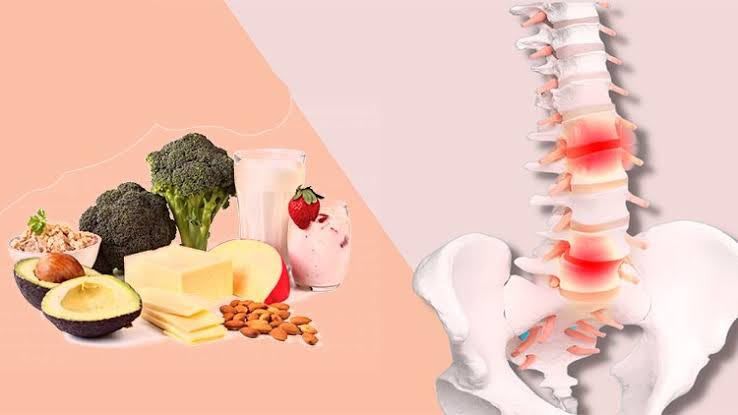
Include calcium-rich foods such as milk, yogurt, cheese, paneer, sesame seeds, almonds, and calcium-fortified foods in your meals. Green vegetables such as kale and some other leafy greens can also contribute calcium, although the amount your body absorbs varies by food.
Try to include a variety of nutritious foods rather than relying on just one source. People who avoid dairy products can choose suitable fortified plant-based alternatives. Your daily calcium requirement depends on your age and individual health needs, so consult a qualified healthcare professional if you are unsure how much you need.
2. Get Enough Vitamin D
Vitamin D helps your body absorb calcium and supports normal bone development. Without enough vitamin D, bones can become weaker over time, increasing the risk of certain bone conditions.
Sunlight helps the body produce vitamin D. Spending a reasonable amount of time outdoors may support healthy vitamin D levels, but the amount needed varies depending on skin tone, season, location, clothing, and sun exposure.
You can also obtain vitamin D from foods such as fatty fish, egg yolks, and fortified milk or other fortified products. Some people may need a vitamin D supplement, particularly if they have a deficiency or other risk factors.
Avoid taking high doses of vitamin D without medical advice. If you are concerned about your vitamin D levels, a healthcare professional can help determine whether testing or supplementation is appropriate.
3. Exercise Regularly to Strengthen Bones
Regular physical activity helps maintain bone strength, muscle function, balance, and coordination. Weight-bearing activities encourage bones to support your body against gravity, while resistance exercises help strengthen muscles and support joints.
Walking, climbing stairs, dancing, resistance-band exercises, and strength training are examples of activities that may support bone health. Choose exercises that match your fitness level and increase their intensity gradually.
Aim for consistent physical activity throughout the week. If you are new to exercise, begin with short walks and simple movements. Older adults and people with osteoporosis or a history of fractures should ask a healthcare professional which exercises are safest for them.
Exercise can also improve balance and help reduce the risk of falls, which is especially important for protecting bones as you get older.
4. Maintain a Balanced and Nutritious Diet
Strong bones need more than calcium and vitamin D. Protein, magnesium, phosphorus, and other nutrients also play roles in maintaining healthy bones and muscles.
Include beans, lentils, eggs, fish, nuts, seeds, whole grains, fruits, and vegetables in your regular diet. Protein is particularly important because it helps maintain muscles that support movement and balance.
Avoid crash diets and extreme food restrictions. Not eating enough can make it harder to obtain the nutrients your body needs. Instead, focus on balanced meals with a variety of food groups.
Drinking enough water and maintaining regular eating habits can also support overall health. If you follow a restrictive diet or have difficulty meeting your nutritional needs, consider seeking advice from a registered dietitian.
5. Avoid Smoking and Limit Alcohol
Lifestyle habits can have a significant effect on bone health. Smoking is associated with a higher risk of osteoporosis and fractures, while excessive alcohol consumption can negatively affect bone health and increase the risk of falls.
Avoid smoking and seek support if you want to quit. If you drink alcohol, limiting or avoiding it can help reduce health risks.
It is also important to review medicines and medical conditions that may affect your bones with a healthcare professional. Do not stop prescribed medication on your own. If you have risk factors for osteoporosis, your doctor can advise whether a bone-density assessment is appropriate.
Conclusion
Improving bone health naturally begins with small, consistent habits. Eat calcium-rich foods, get enough vitamin D, exercise regularly, maintain a balanced diet, and avoid smoking and excessive alcohol. These steps can help support strong bones and better mobility throughout life.