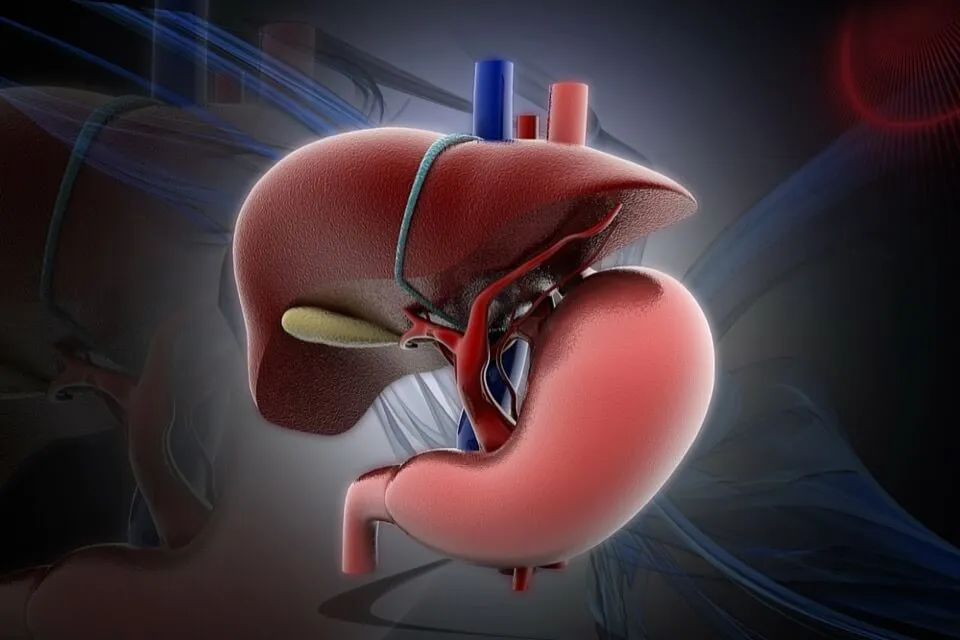
The liver is one of the most important organs in the human body. It helps process nutrients, produces bile for digestion, stores energy, and breaks down many substances, including medicines and alcohol. Keeping your liver healthy is essential for maintaining overall wellness and supporting normal body functions.
However, unhealthy eating habits, excessive alcohol consumption, certain infections, and some medical conditions can increase the risk of liver problems. Liver disease may develop without obvious symptoms in its early stages, making prevention and regular medical care especially important.
The good news is that healthy lifestyle choices can help protect your liver. You do not need expensive detox drinks or special cleansing products. A balanced diet, regular exercise, responsible use of medicines, and preventive healthcare are more useful ways to support liver health.
1. Eat a Balanced and Nutritious Diet
Your daily diet plays an important role in maintaining liver health. Eating a variety of nutritious foods helps your body receive the vitamins, minerals, fiber, and protein it needs.
Include fresh vegetables, fruits, whole grains, beans, lentils, nuts, and suitable sources of lean protein in your meals. Foods such as oats, brown rice, and whole-wheat roti can provide fiber, while eggs, fish, lentils, and beans provide protein.
Try to limit foods high in added sugar, excessive saturated fat, and calories, particularly sugary drinks and highly processed snacks. Consuming too many calories over time can contribute to excess fat accumulation in the liver.
You do not need to follow an extreme diet. Instead, focus on balanced portions and consistent eating habits that you can maintain over the long term.
2. Maintain a Healthy Weight
Excess body fat, particularly around the waist, can increase the risk of metabolic dysfunction-associated steatotic liver disease, commonly known as fatty liver disease.
Maintaining a weight that is healthy for your body may help reduce this risk. If you have excess weight, gradual and sustainable weight loss can be beneficial. Avoid crash diets and extreme fasting plans, which may be difficult to maintain and can create other health problems.
Combine nutritious meals with regular physical activity. Walking, cycling, swimming, and strength exercises are practical options for many people.
Even if your weight is within a healthy range, physical activity and a balanced diet remain important. People with diabetes, high cholesterol, or other metabolic risk factors should discuss liver health with their healthcare professional.
3. Exercise Regularly
Regular exercise supports general health and can help improve how the body manages blood sugar and fat. These benefits may also help reduce the risk of fat buildup in the liver.
Aim for around 150 minutes of moderate-intensity physical activity per week, if appropriate for your health and fitness level. You can divide this into manageable sessions, such as a 30-minute brisk walk five days a week.
If you are currently inactive, begin with shorter walks and gradually increase your activity. Simple changes, such as taking the stairs or walking after meals, can help you move more throughout the day.
Strength training a couple of times a week can also support muscle health and metabolic fitness. If you have a chronic medical condition or have been inactive for a long time, ask a healthcare professional how to begin safely.
4. Avoid Alcohol or Reduce Its Use
Alcohol is processed by the liver, and excessive consumption can damage liver cells. Over time, this damage may lead to inflammation, scarring, or serious liver disease.
Avoiding alcohol is the most reliable way to eliminate alcohol-related liver risks. This is especially important for people who already have liver disease or take medicines that interact with alcohol.
Do not assume that beer or wine is harmless simply because it contains less alcohol than some spirits. The amount consumed and the frequency of drinking both matter.
If you drink heavily or daily and experience withdrawal symptoms when you stop, seek medical advice before suddenly stopping, because alcohol withdrawal can be dangerous.
5. Be Careful With Medicines and Supplements
Some medicines and supplements can cause liver injury when taken incorrectly or in excessive amounts. Even products described as natural or herbal are not automatically safe.
Follow the instructions on prescribed and over-the-counter medicines. Do not exceed recommended doses, and avoid combining products without checking their ingredients. Some cold and pain medicines contain the same active ingredient, which can lead to accidental overdose.
Tell your doctor or pharmacist about all medicines, herbal remedies, and supplements you use. Avoid products promising a quick liver detox or liver cleanse because there is no good evidence that these products are needed to clean a healthy liver, and some may cause harm.
If you suspect a medicine has affected your liver, seek medical advice rather than stopping essential prescribed treatment on your own.
6. Drink Safe Water and Prevent Liver Infections
Certain infections, including hepatitis A, hepatitis B, and hepatitis C, can affect the liver. Preventive measures can reduce the risk of some of these infections.
Wash your hands regularly, follow food-safety practices, and drink safe water. Hepatitis A can spread through contaminated food or water, while hepatitis B and C can spread through infected blood; hepatitis B can also spread through certain body fluids.
Vaccination is available for hepatitis A and hepatitis B in appropriate circumstances, but there is currently no widely available vaccine for hepatitis C. Ask your healthcare professional whether hepatitis vaccination or testing is appropriate for you.
Never share needles, razors, or other items that may be contaminated with blood. Use reputable healthcare and tattoo services that follow proper sterilization practices.
7. Get Medical Checkups When Needed
Liver conditions may not cause noticeable symptoms during their early stages. Medical evaluation can be particularly important if you have diabetes, obesity, a history of hepatitis exposure, significant alcohol use, or a family history of certain liver conditions.
A healthcare professional may recommend blood tests or other assessments based on your individual risk factors. Routine testing is not necessary for everyone, so discuss your personal needs with a clinician.
Seek prompt medical care if you develop yellowing of the skin or eyes, unusually dark urine, persistent abdominal swelling, or unexplained ongoing symptoms. Severe abdominal pain, confusion, or vomiting blood requires emergency medical attention.
Conclusion
Keeping your liver healthy starts with practical daily habits. Eat a balanced diet, stay physically active, maintain a healthy weight, avoid alcohol-related harm, use medicines responsibly, and take steps to prevent hepatitis infections.