Maintaining good health is one of the most important parts of living a happy and productive life. In today’s busy lifestyle, people often ignore their diet, sleep, physical activity, and mental well-being. Over time, these habits can affect energy levels, immunity, weight, and overall quality of life. The good news is that staying healthy does not always require complicated routines. Small and consistent changes in daily habits can make a significant difference.
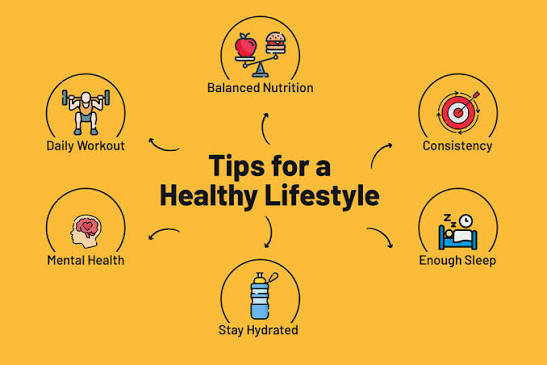
A healthy lifestyle is mainly about maintaining a balance between nutritious food, regular physical activity, proper sleep, hydration, and stress management. It is not about following extreme diets or exercising for several hours every day. Instead, the goal should be to develop realistic habits that can be followed for a long time.
1. Follow a Balanced and Nutritious Diet
Food plays an important role in maintaining the body’s health. A balanced diet should include a variety of foods that provide essential nutrients such as protein, carbohydrates, healthy fats, vitamins, minerals, and fiber.
Fresh vegetables, fruits, whole grains, pulses, eggs, dairy products, nuts, and other nutritious foods can be included in regular meals. Protein is particularly important because it supports muscle maintenance and helps the body repair tissues.
It is also a good idea to reduce excessive consumption of highly processed foods, sugary drinks, and foods containing large amounts of salt or unhealthy fats. Instead of making sudden and extreme dietary changes, focus on improving your meals gradually.
Drinking enough water is equally important. Proper hydration supports normal body functions and can help maintain energy and concentration throughout the day. Individual water needs can vary depending on factors such as weather, activity level, and overall health.
2. Exercise Regularly and Get Enough Sleep
Regular physical activity is another important part of a healthy lifestyle. Exercise can help maintain a healthy weight, improve cardiovascular fitness, strengthen muscles and bones, and support mental well-being.
People who are new to exercise can start with simple activities such as walking, stretching, cycling, or light home workouts. Even a moderate amount of regular activity can be beneficial when performed consistently. People with medical conditions or specific health concerns should discuss suitable exercise with a healthcare professional.
Sleep is just as important as physical activity. During sleep, the body gets time to recover and the brain processes information from the day. Poor sleep can contribute to tiredness, difficulty concentrating, and mood changes.
Adults generally need around seven or more hours of sleep per night, although individual needs can differ. Maintaining a regular sleep schedule, limiting excessive screen use before bedtime, and keeping the sleeping environment comfortable may help improve sleep quality.
3. Take Care of Your Mental Health
Good health is not only about the body. Mental and emotional well-being are also important. Continuous stress can affect sleep, concentration, mood, and daily functioning.
Simple activities such as spending time with family and friends, taking breaks from work, enjoying hobbies, practicing relaxation techniques, and spending some time outdoors may help manage everyday stress.
People should also avoid ignoring persistent feelings of anxiety, sadness, extreme stress, or emotional difficulty. Speaking with a qualified healthcare professional or mental health professional can be an important step when these problems continue or interfere with daily life.
Conclusion
A healthy lifestyle is built through small habits practiced consistently. Eating nutritious food, staying physically active, getting adequate sleep, drinking enough water, and taking care of mental well-being can all contribute to better overall health. The key is to choose realistic habits rather than trying to make dramatic changes overnight. If you have a medical condition or ongoing symptoms, consult a qualified healthcare professional for personalized advice.